
The NAV Alliance newsroom features our latest news from around the world. Find recent and past press releases and articles related to the NAV Alliance, our members, technical experts, and events.
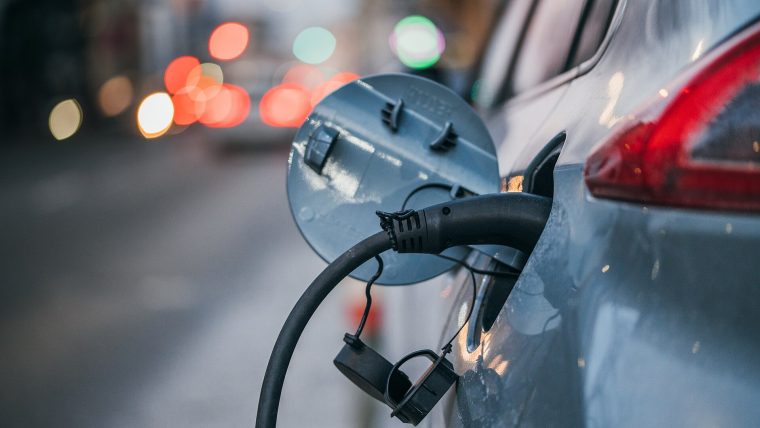
Power over Data Lines, Sleep/Wake and Energy-Efficient Ethernet in Vehicles
Every watt and every gram counts — especially in electric vehicles. How PoDL, Energy-Efficient Ethernet, TC10 sleep/wake and built-in diagnostics make Multi-Gig networks lean…
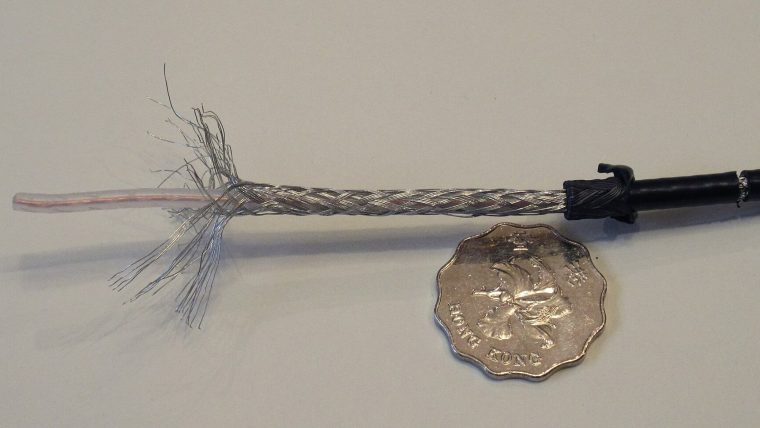
Cables and Connectors for Multi-Gig: Designing the Automotive Ethernet Channel
At 10 Gb/s and beyond the channel decides whether a link works. Shielded pairs, coax, inline connectors, insertion and return loss — a practical…
Securing the In-Vehicle Network: MACsec, Firewalls and ISO/SAE 21434
More bandwidth and more connectivity mean a larger attack surface. A defense-in-depth view of automotive Ethernet security — from MACsec on every link to…
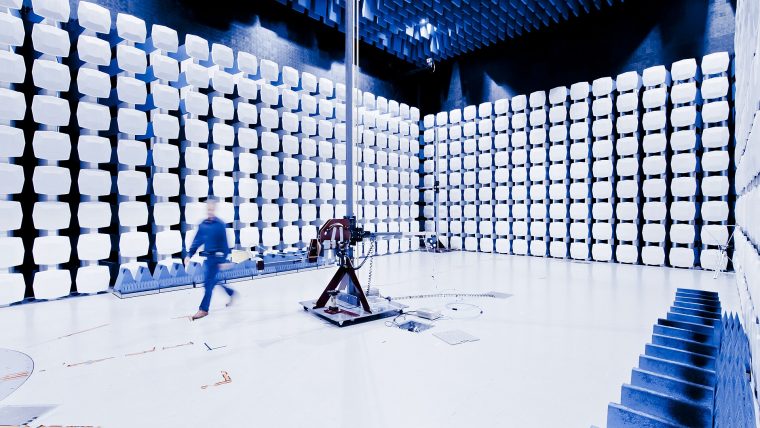
EMC for Multi-Gig Automotive Ethernet: Emissions, RF Ingress and How to Pass
A car is an electrically hostile place. Here is how Multi-Gig links are designed and tested to stay quiet (emissions) and robust (immunity, RF…
Time-Sensitive Networking (TSN) in the Vehicle: Deterministic Ethernet Explained
Autonomous driving needs bounded latency, synchronized clocks and redundancy. TSN — and the new IEEE 802.1DG automotive profile — bring those guarantees to in-vehicle…
Protocol Encapsulation over Ethernet: Carrying I2C, SPI, Camera and Radar Data
Sensors speak I2C, SPI, MIPI CSI-2 and proprietary formats. Encapsulating these protocols in Ethernet frames — the focus of NAV Alliance TWG4 — lets…
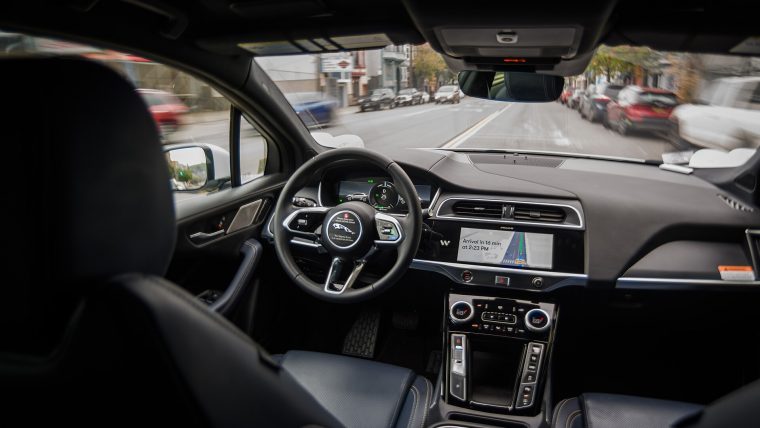
Zonal Architecture and the Software-Defined Vehicle: Why the Ethernet Backbone Matters
Vehicles are moving from a hundred ECUs to a few central computers and zone controllers. The Multi-Gig Ethernet backbone is what makes this zonal,…
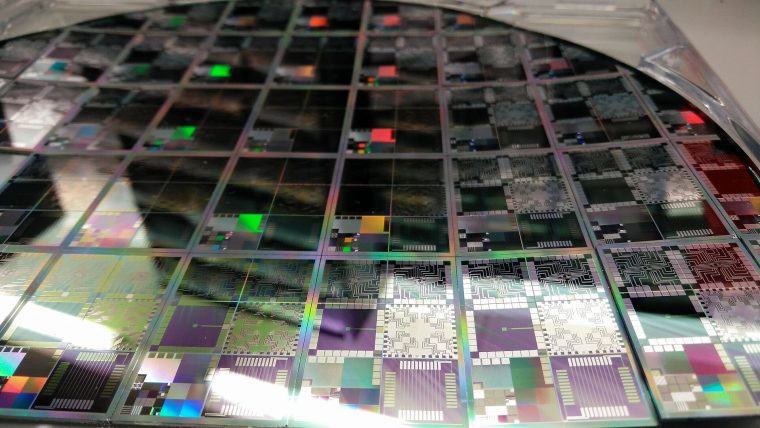
25G and 50G Automotive Ethernet PHYs: Inside IEEE 802.3cy
Why zonal backbones and central compute need more than 10 Gb/s, and how 25GBASE-T1 and 50GBASE-T1 PHYs push a single shielded pair to its…
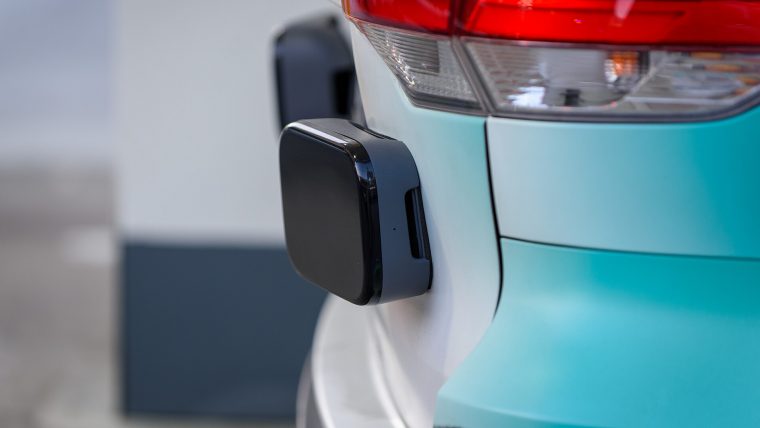
Asymmetrical Ethernet for Cameras and Sensors: Why Uplink and Downlink Should Differ
Cameras send gigabits but receive kilobits. Asymmetrical Ethernet matches the physical layer to that traffic, cutting power and cost at the sensor while keeping…
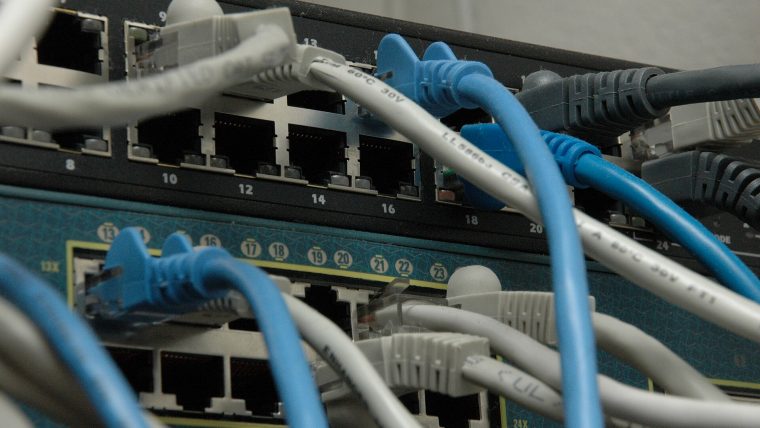
What Is Multi-Gig Automotive Ethernet? A Complete Guide for 2026
Multi-Gig Automotive Ethernet carries 2.5 to 100 Gb/s over a single pair of wires inside the car. Here is how it works, which IEEE…
Marvell Now a Founding Promoter of NAV Alliance
The Networking for Autonomous Vehicles (NAV) Alliance announced that Marvell is joining the NAV Alliance as a promoter following the completion of its recent…
NAV Alliance Picks Up Speed with New Members Amphenol, HARMAN International, LEONI Bordnetz-Systeme, Rosenberger Hochfrequenztechnik, and Sony
NAV Alliance picks up speed with new members — Amphenol, HARMAN International, LEONI Bordnetz-Systeme, Rosenberger Hochfrequenztechnik and Sony — and sponsors the IEEE SA…
MEDIA CONTACT
For general media inquiries, please contact [email protected]